Perspectives on Revenue Execution
Clear thinking on how enterprises design, execute, and evolve revenue — without being constrained by systems of record.
Revenue Execution, Explained
View All →What revenue execution really means — and why it breaks inside traditional systems
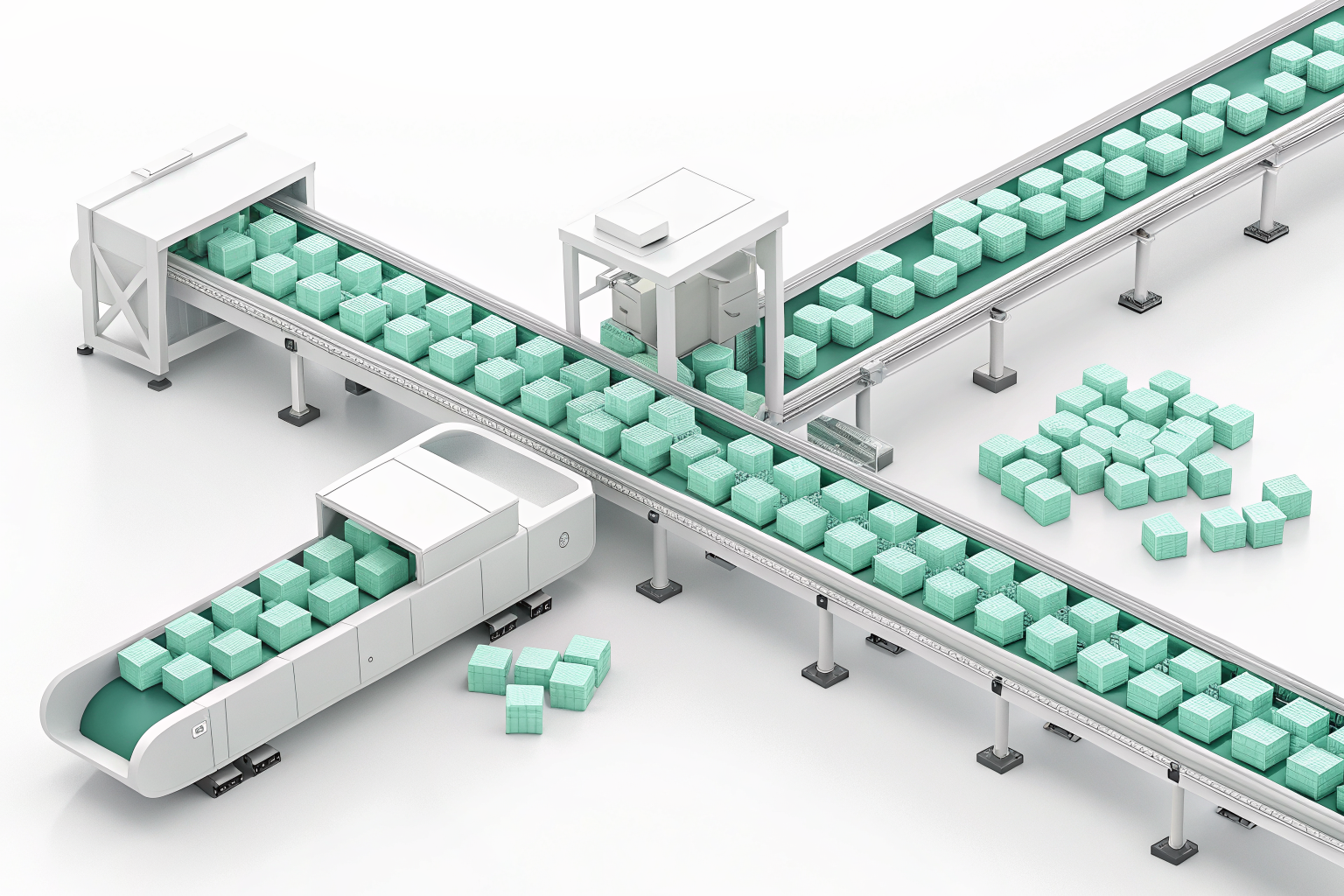
Your OMS only ever reached the order
Why the single source for revenue has to be the motion — not the order, and not the order hub.
 Jun 22, 2026
The SAP clean core question nobody is asking
Why externalising ERP is only half the answer — and where revenue execution logic actually belongs.
 Mar 27, 2026
The pattern that cuts revenue implementation time from quarters to weeks
How externalising execution from ERP eliminates the cost and timeline overrun that makes every revenue change a program.
 Mar 24, 2026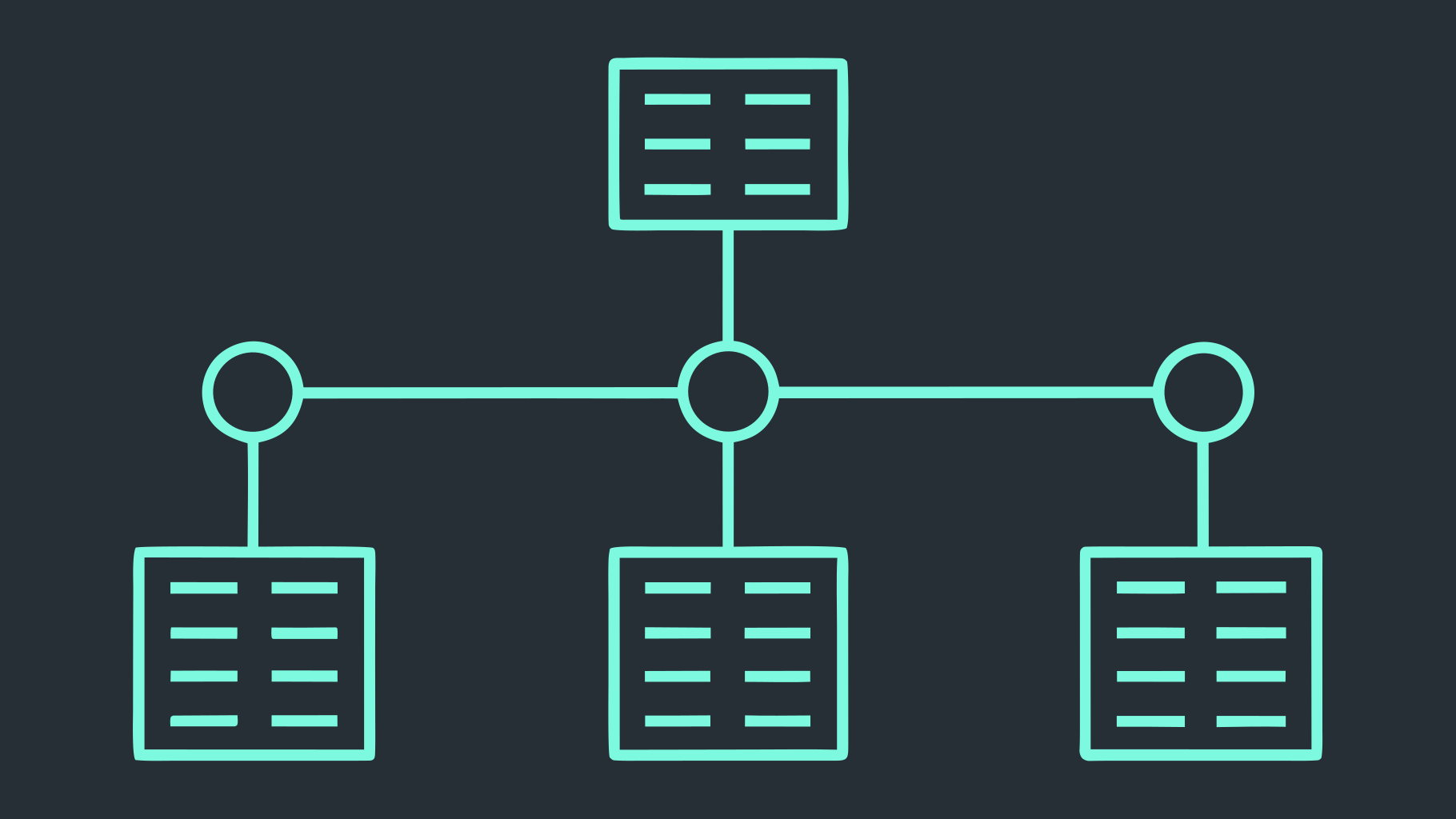
One Execution Layer. Every Commerce Channel. Unified Version of Revenue Truth.
Most enterprises don't run one commerce platform — they run three. Consolidating execution across SAP, Oracle, and in-house systems isn't a data problem. It's an execution problem. Here's how viax solves it.
Mar 12, 2026 AI Execution Chronicles
View All →What happens when AI meets governed revenue execution

Implementation is the new configuration
On intent-driven implementation, the death of the SOW economy, and the boutique SIs about to eat their parents' lunch.
 Apr 30, 2026
When the plan stays the plan — how deterministic skills keep LLMs on intent through implementation
How deterministic skills around the LLM keep enterprise implementation plans on intent from kickoff to go-live.
Apr 30, 2026 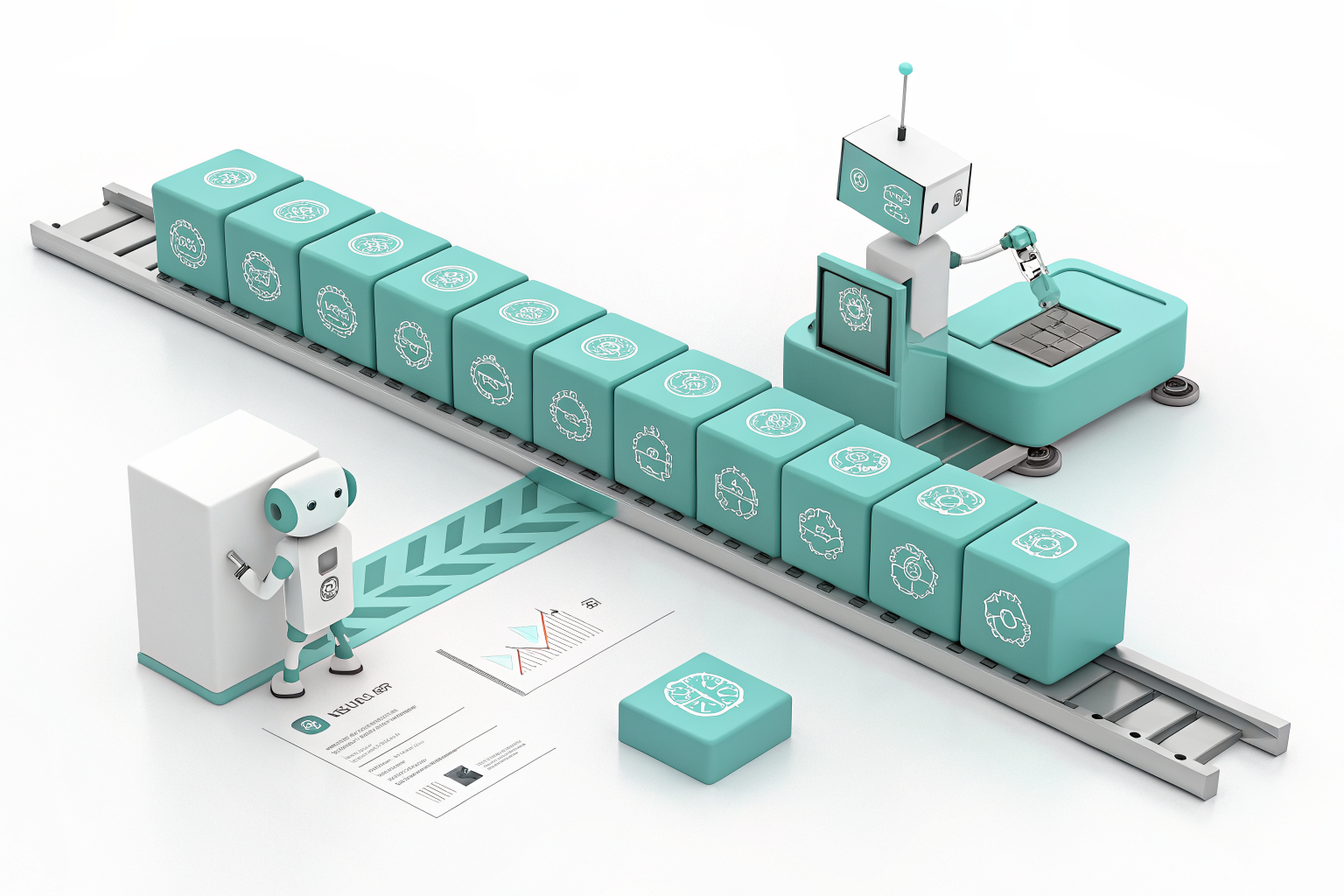
How governed AI skills compress enterprise delivery timelines
Why the path to faster revenue execution delivery runs through structured Claude skills, not faster sprints.
Apr 16, 2026 
AI Didn't Change What Revenue Execution Requires. It Revealed It.
Why AI in revenue fails without a governed execution layer — and what the architecture actually needs to make agentic AI real.
Apr 15, 2026 Revenue Chaos Demystified
View All →Why revenue breaks — and what it takes to fix it without starting over

The cultural shift follows the architectural shift
Why Revenue Execution adoption doesn't start with a mandate — it starts with a problem nobody else could solve.
Apr 10, 2026 
Your ERP Doesn't Need AI. It Needs Relief.
Every enterprise runs on software that hates change. AI won't fix that. A layer that executes outside the monolith will.
Mar 5, 2026 
The rational fear of ERP change— and what’s really driving it
Leaders are risk-averse to ERP change because the blast radius has become unacceptably large.
 Feb 4, 2026
Why integration and orchestration still miss the point
Moving data doesn’t fix fragmented execution — and it’s not what’s holding enterprises back.
Feb 4, 2026 viax In Action
View All →See how viax executes real revenue motions across enterprise environments

Why CIOs Need to Prove Revenue Execution — Before Committing ERP Architecture
How execution-first proof reduces delivery risk, integration sprawl, and irreversible architectural decisions.
Jan 26, 2026 
The integration work that disappears when execution has a layer
How the delivery engagement changes when CRM, ERP, and finance connect through a governed execution layer — not around it.
Apr 9, 2026 
viax as a commerce backend and unified pricing engine
Decouple execution from ERP, model real pricing complexity once, and power commerce across multi-ERP and post-M&A environments.
Feb 18, 2026 
Proof Before Commitment: Rethinking the Revenue POC
How enterprises validate real revenue execution in days — before committing ERP teams, timelines, or transformation dollars.
 Jan 25, 2026
 Customer Patterns
View All →How enterprises modernize revenue execution without rewriting their systems

Don't wait for S/4HANA: How a Fortune 500 medical device manufacturer transformed order management during migration
Their growing & emerging markets region faced a classic dilemma — wait for S/4HANA, or build now and rebuild later. Neither option aligned with the business's pace or the expectations of distributors.
Jan 25, 2026 
Revenue Logic Is Now Fast to Change. Implementation Should Be Too.
The second bottleneck in enterprise revenue transformation — and how viax's AI-augmented delivery framework eliminates it
 Feb 18, 2026
How a research publisher exited AS/400, preserved 30 years of bespoke logic, and simplified its path to S/4HANA.
The path to decommissioning legacy custom code without starting over
 Jan 14, 2026
How a healthcare device manufacturer extended legacy ERP investment while modernizing during divestiture
A healthcare device manufacturer undergoing a major corporate divestiture faced a difficult constraint. An ERP migration to S/4HANA seemed inevitable—but forcing a migration during divestiture introduced unacceptable risk, cost, and distraction at the worst possible time.
Jan 14, 2026 Inside the layer
View All →How revenue execution actually works when it's separated from systems of record
Model real-world revenue complexity — once, execute everywhere
How capturing real business complexity once prevents duplication across channels and systems
Jan 1, 2025 
Building revenue execution that evolves without constant restarts
Why reusable execution models compound value as the business grows
Jan 1, 2025 
How to centralize revenue execution without creating ERP friction
Why shared execution logic matters more than where it runs
Jan 1, 2025 
Gaining end-to-end visibility into how revenue actually executes
How execution-level insight reveals issues before results are impacted
Jan 1, 2025