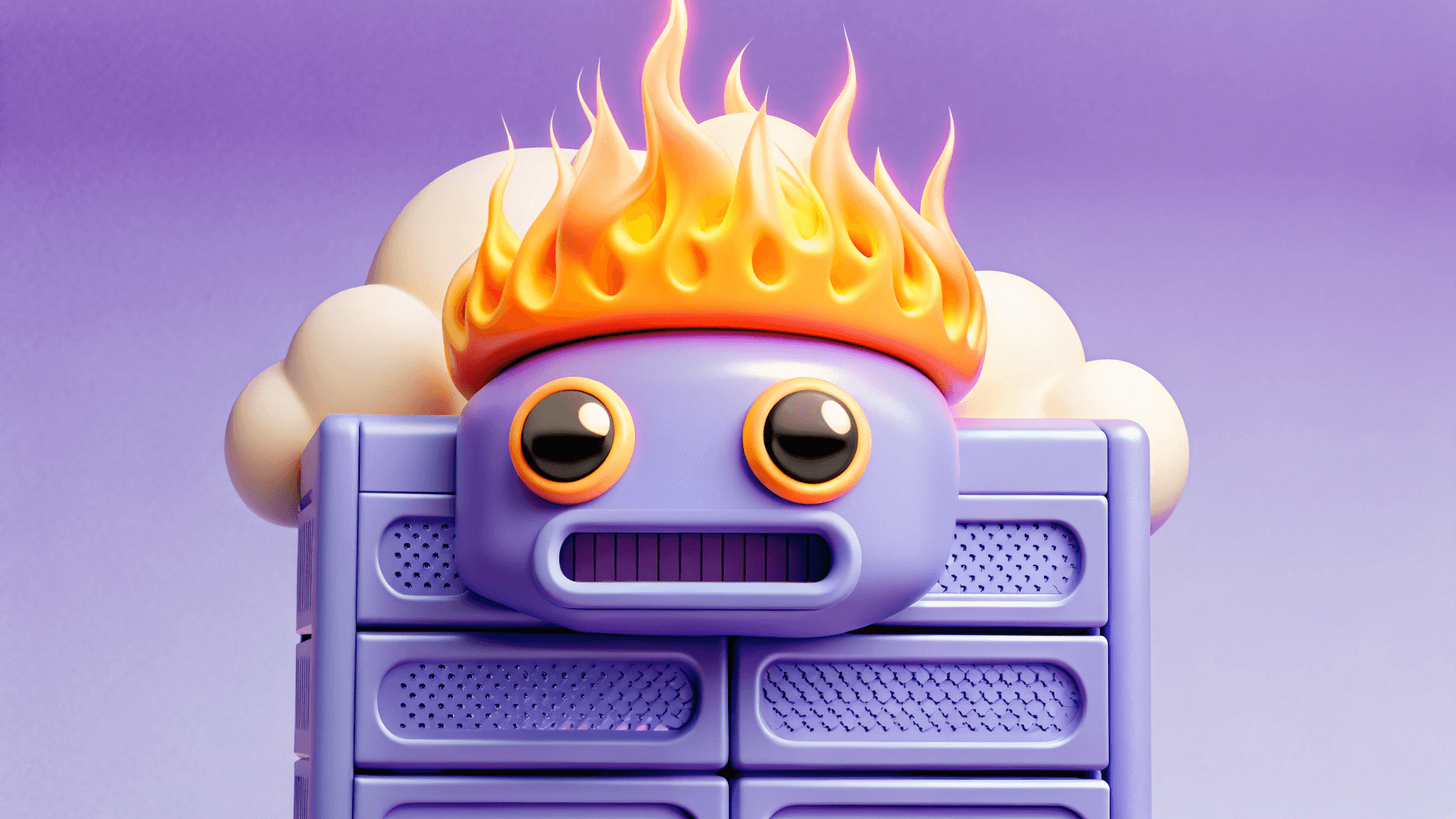
ERP fear didn’t come from nowhere
Most CFOs and CIOs didn’t become cautious about ERP change by accident.
They’ve lived through:
- Multi-year transformation programs
- Ballooning budgets and missed timelines
- Business disruption tied to “small” changes
- Custom logic that made upgrades fragile
- One decision triggering dozens of downstream impacts
Over time, a rational conclusion forms: touching ERP is risky.
That fear isn’t irrational. It’s learned.
The real issue isn’t ERP — it’s where execution lives
ERP systems are excellent at what they were designed to do:
- Record transactions
- Enforce controls
- Support compliance and reporting
What changed is what we’ve asked ERP to carry.
Over the years, revenue execution logic has crept into ERP:
- Pricing rules
- Eligibility logic
- Approval paths
- Customer-specific behavior
- Exceptions and edge cases
ERP didn’t become fragile because it’s bad technology. It became fragile because it became the place where change happens.
That’s the source of the fear.
When every change becomes an ERP change, fear is rational
In many enterprises:
- A pricing change means an ERP transport
- A new offer means a customization
- A new channel means new integrations
- A small tweak carries enterprise-wide risk
So leaders do the sensible thing: they slow down.
But slowing down doesn’t remove the need to change. It just pushes work into spreadsheets, emails, and manual processes.
Fear of ERP change doesn’t stop execution. It pushes it underground.
The false choice leaders feel trapped in
Most leadership teams believe they’re choosing between two bad options:
- Move fast and risk breaking ERP
- Protect ERP and accept slower growth
That’s not a technology problem. That’s an architectural one.
The fear exists because execution and record-keeping are entangled.
What changes when execution is separated
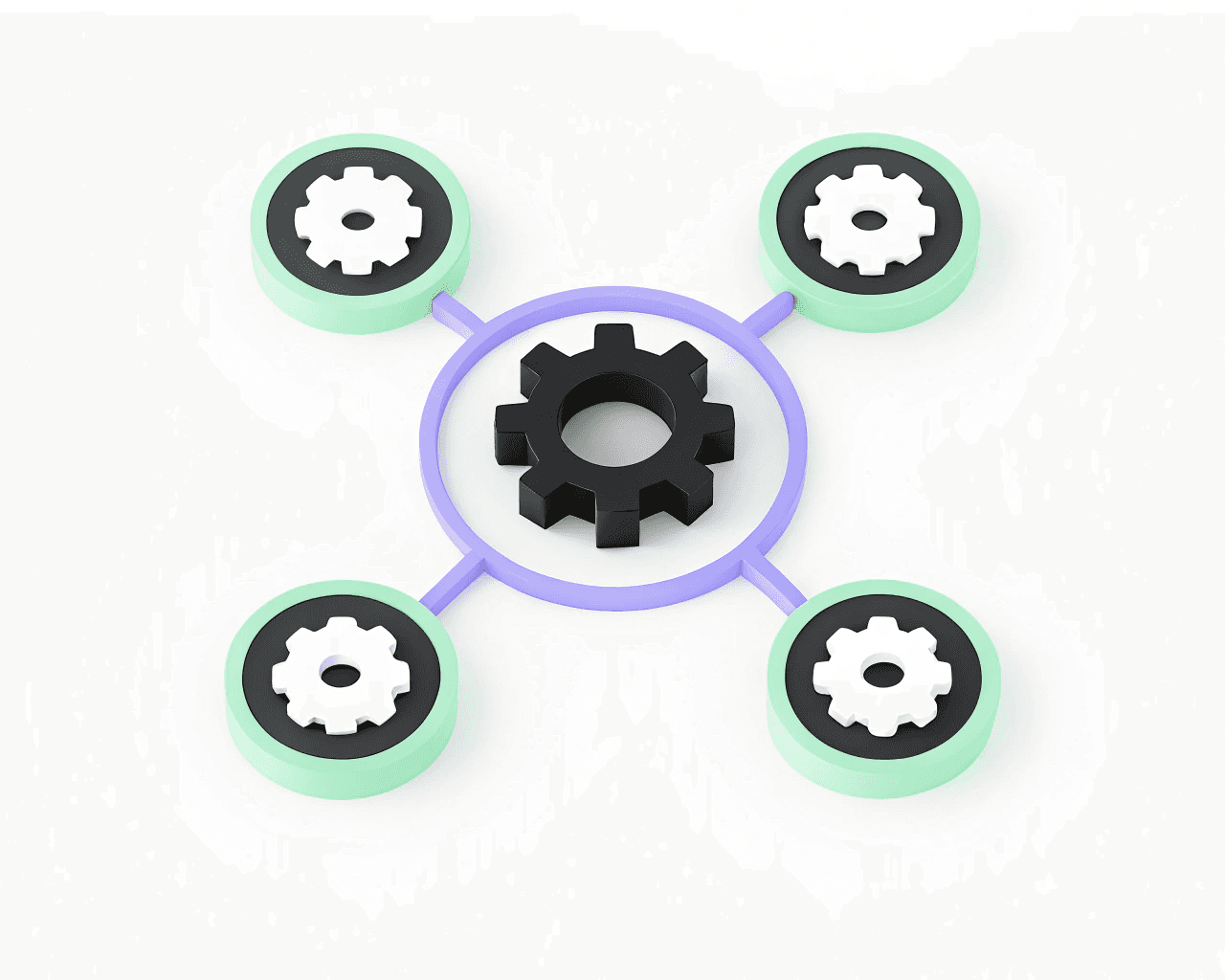
When revenue execution is moved into its own layer:
- ERP stops being the place where behavior changes
- Execution logic becomes visible, governable, and localized
- The blast radius of change shrinks dramatically
Now:
- Pricing can evolve without ERP transports
- New revenue motions don’t require core modification
- Change happens in smaller, safer increments
ERP stays stable. Execution becomes adaptable.
Fear starts to dissipate — not because leaders become bolder, but because risk actually decreases.
This is why fear looks different across organizations
Enterprises that separate execution:
- Change more often
- Experiment more safely
- Upgrade ERP with less anxiety
Enterprises that don’t:
- Delay decisions
- Accumulate workaround debt
- Treat ERP transformation as a once-per-decade event
The difference isn’t leadership mindset. It’s structural safety.
Reducing fear isn’t about confidence — it’s about design
You can’t ask leaders to “be less afraid” of ERP change.
You have to design systems where:
- Change doesn’t threaten the core
- Decisions don’t cascade unpredictably
- Execution failures don’t become financial events
That’s not culture. That’s architecture.
ERP shouldn’t be where innovation goes to die
ERP fear is a symptom, not a flaw.
It tells you:
- Too much responsibility lives in the wrong place
- Execution lacks a home of its own
- Change carries more risk than it should
When execution is separated, ERP becomes what it was always meant to be:
- Stable
- Reliable
- Upgradeable
And change becomes something the business can do without fear.