Inside the layer
How revenue execution actually works when it's separated from systems of record
AllRevenue Execution, ExplainedCustomer PatternsInside the layerviax In ActionRevenue Chaos DemystifiedAI Execution Chronicles
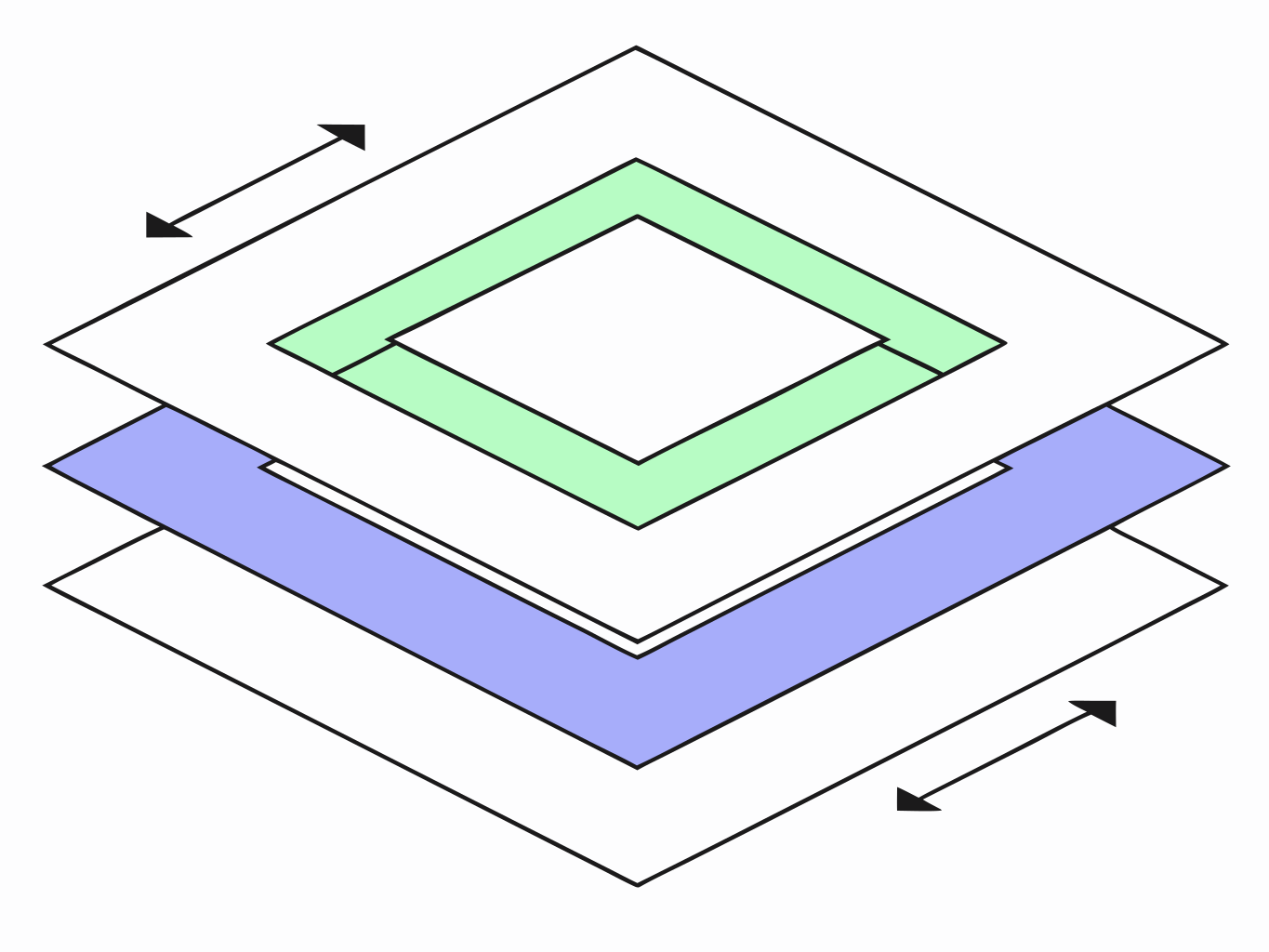
Building revenue execution that evolves without constant restarts
Why reusable execution models compound value as the business grows
 Jan 1, 2025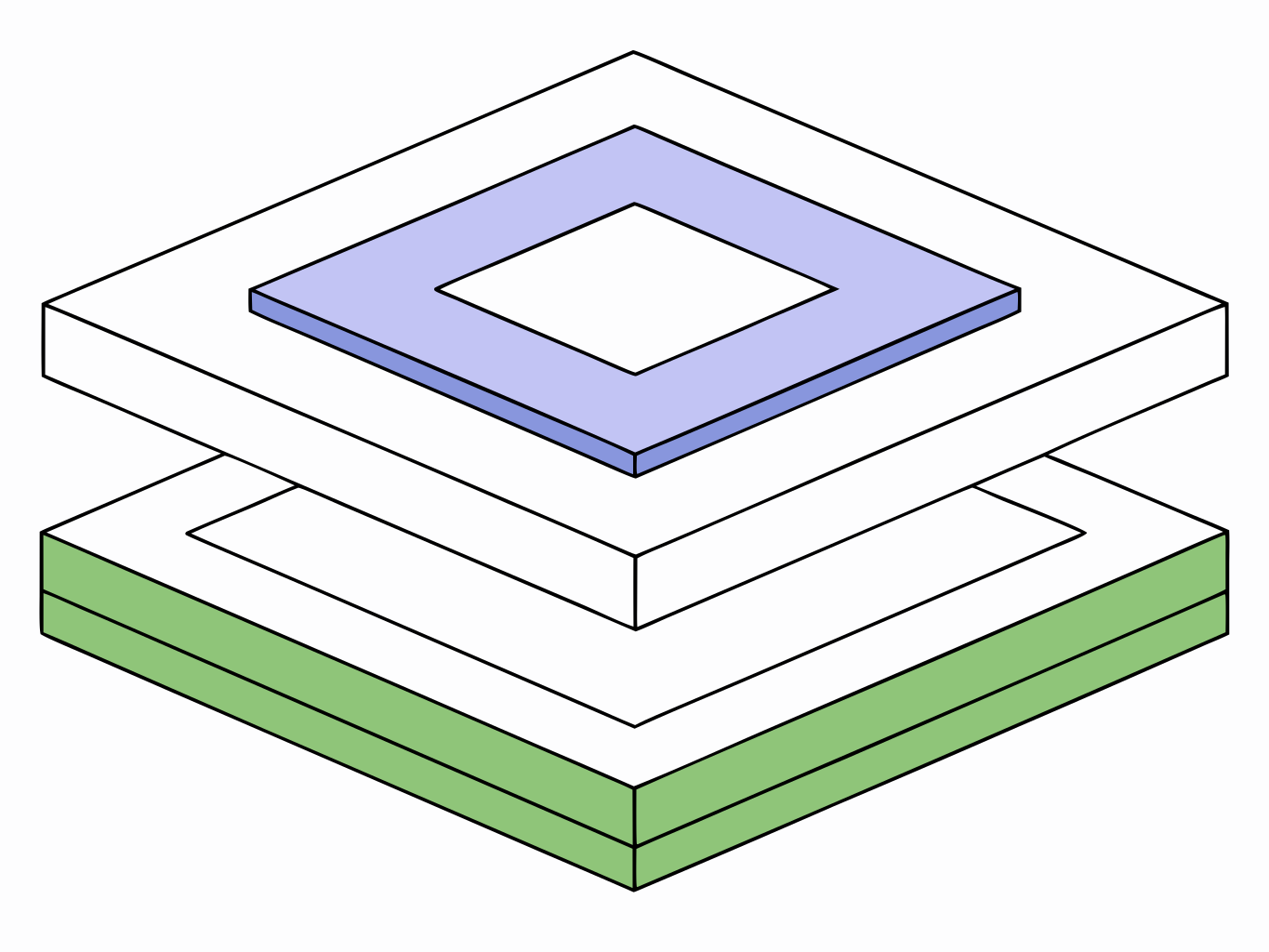
How to centralize revenue execution without creating ERP friction
Why shared execution logic matters more than where it runs
Jan 1, 2025 
Gaining end-to-end visibility into how revenue actually executes
How execution-level insight reveals issues before results are impacted
Jan 1, 2025 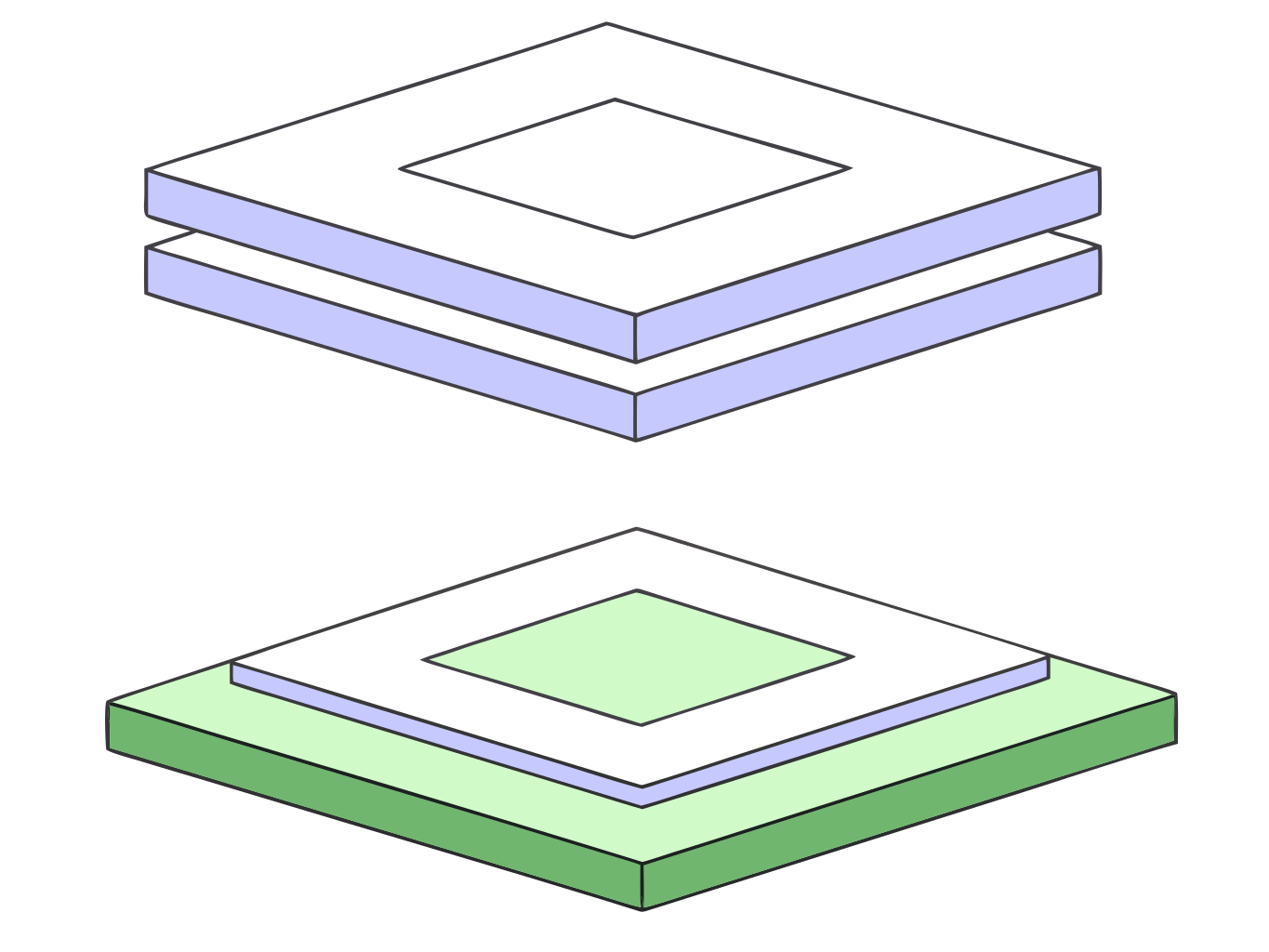
How enterprises execute revenue change at decision speed
How separating execution from systems removes delay without adding risk
Jan 1, 2025 
Launching new revenue motions without rebuilding execution
How reuse replaces reimplementation as revenue models expand
Jan 1, 2025 
Model revenue once and execute it consistently everywhere
Why duplication breaks scale — and shared execution restores consistency
Jan 1, 2025 
Model real-world revenue complexity — once, execute everywhere
How capturing real business complexity once prevents duplication across channels and systems
Jan 1, 2025 
Modeling revenue to match how your business actually operates
Why interaction-based models handle real-world complexity better than templates
Jan 1, 2025 
Creating a shared execution view across sales, operations, and finance
How shared context eliminates handoffs, rework, and misalignment
Jan 1, 2025