Revenue Execution, Explained
What revenue execution really means — and why it breaks inside traditional systems
Your OMS only ever reached the order
Why the single source for revenue has to be the motion — not the order, and not the order hub.
 Jun 22, 2026
The SAP clean core question nobody is asking
Why externalising ERP is only half the answer — and where revenue execution logic actually belongs.
 Mar 27, 2026
The pattern that cuts revenue implementation time from quarters to weeks
How externalising execution from ERP eliminates the cost and timeline overrun that makes every revenue change a program.
 Mar 24, 2026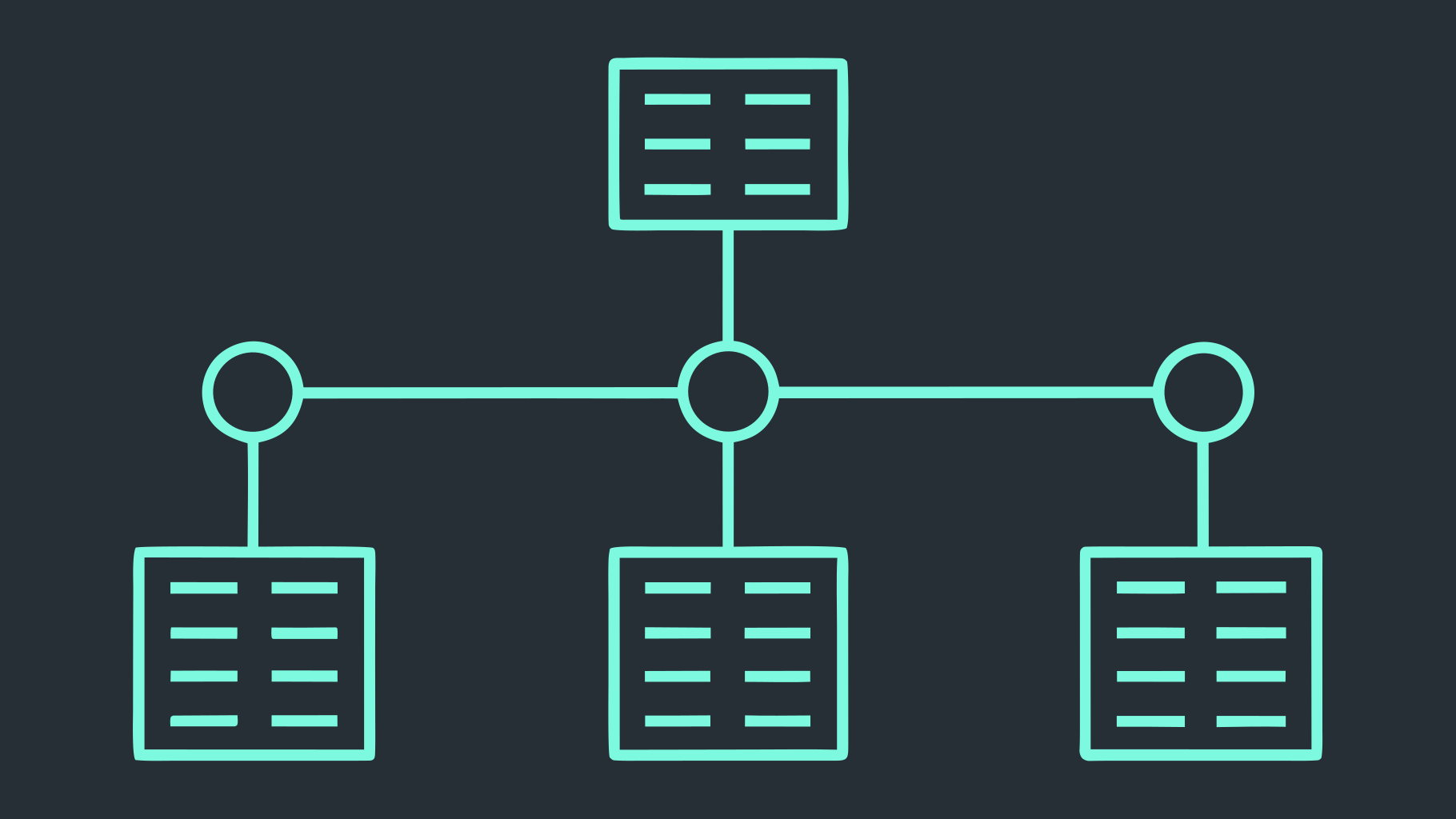
One Execution Layer. Every Commerce Channel. Unified Version of Revenue Truth.
Most enterprises don't run one commerce platform — they run three. Consolidating execution across SAP, Oracle, and in-house systems isn't a data problem. It's an execution problem. Here's how viax solves it.
Mar 12, 2026 
Revenue motions and the end of the strategy–execution gap
Why revenue motions collapse the gap between strategy and execution
Feb 2, 2026 
How a revenue execution layer creates value at every stage of the SAP journey
Modernize revenue execution without waiting for S/4HANA—and without increasing cost, risk, or disruption.
Jan 27, 2026 
Why enterprises need a revenue execution layer now
Growth, speed, and flexibility are no longer constrained by strategy. They’re constrained by how revenue is executed across systems that were never designed to change together.
Jan 27, 2026 
When BTP Becomes the New Custom Code
Why Order‑to‑Cash Remains the Hardest Constraint in S/4HANA—and What’s Actually Missing
 Jan 26, 2026
Why SAP enterprises are stuck between BRIM and S/4HANA
Growth doesn’t stall because enterprises lack systems. It stalls because revenue execution is trapped inside systems that weren’t designed for change.
Jan 20, 2026 
Growth breaks at revenue execution
Why strategy stalls when execution can’t keep up with change
 Jan 1, 2025
The missing layer between strategy and systems
Why execution needs its own layer to translate intent into action
Jan 1, 2025 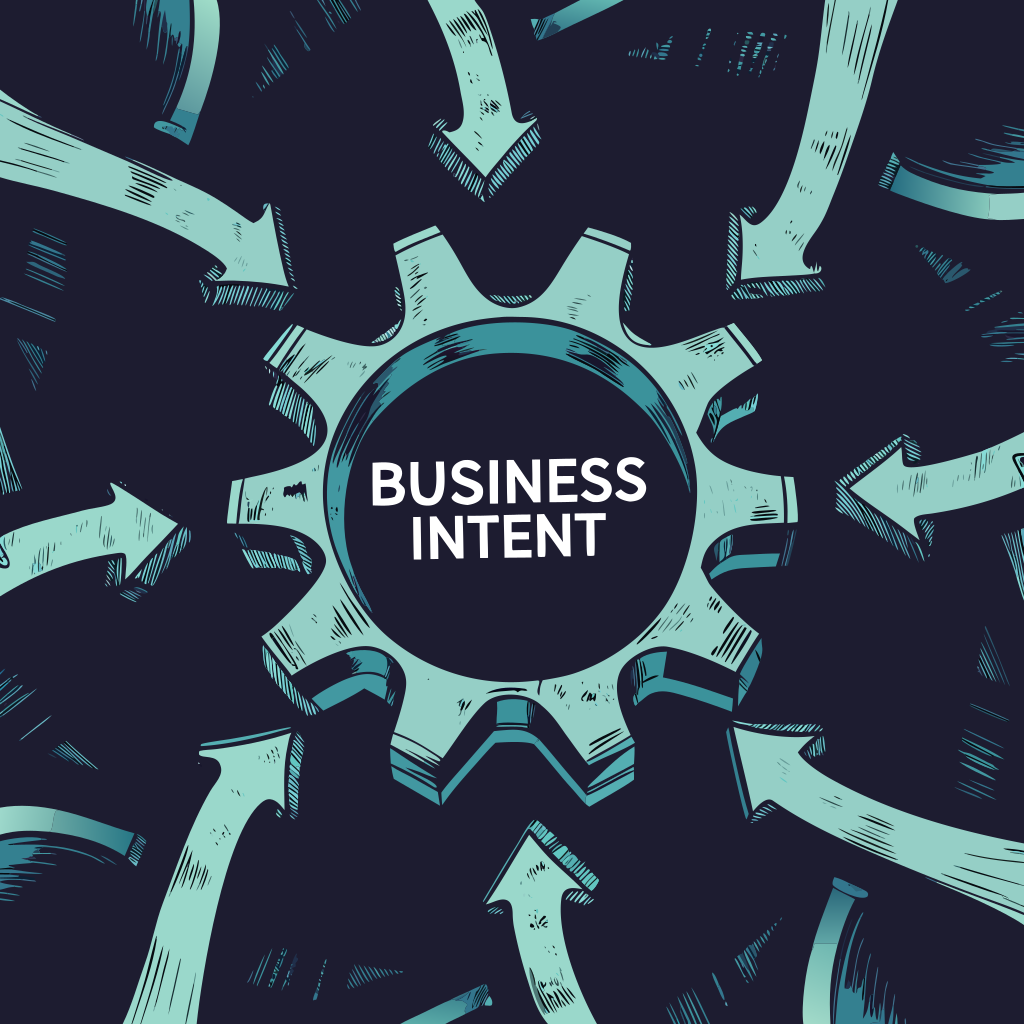
What we mean by revenue execution
How intent becomes consistent behavior across systems and channels
Jan 1, 2025 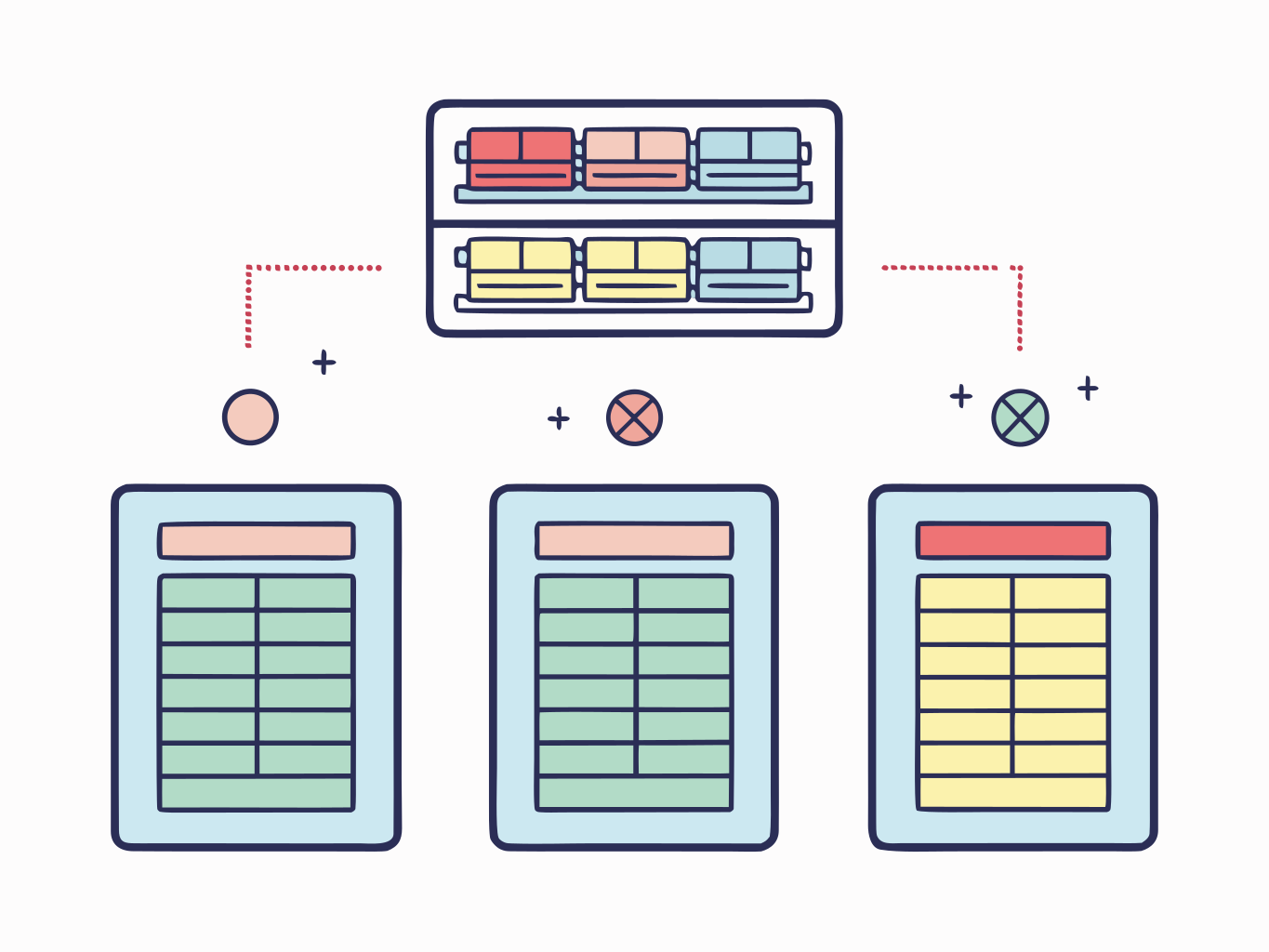
Why ERP-centric revenue models can’t scale with change
How embedding execution in systems of record slows adaptation
Jan 1, 2025