Centralization is about logic, not systems
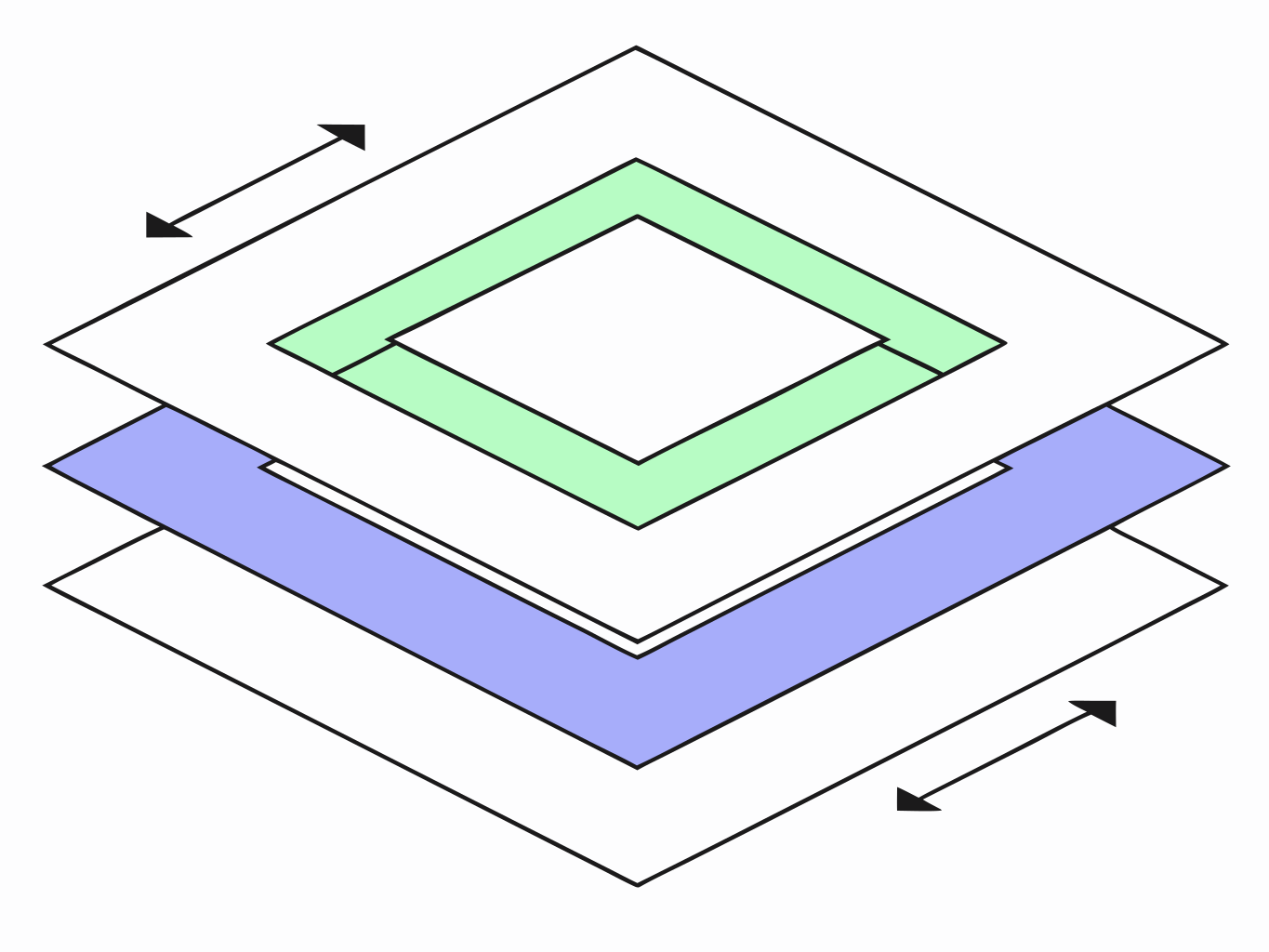
Centralizing revenue execution does not mean consolidating all revenue activity into a single application. It means defining revenue logic once and ensuring it behaves consistently everywhere.
Pricing rules, approvals, product eligibility, and order logic should not be reimplemented in every system. When logic is duplicated, behavior diverges and control erodes.
True centralization is about shared execution, not system replacement.
ERP friction comes from forcing change into the wrong layer
ERP systems are optimized for stability and record-keeping. When they are asked to absorb frequent revenue changes, friction appears.
Simple updates require development cycles. Exceptions accumulate as customizations. Teams slow down to protect core operations. Over time, change becomes something to avoid rather than enable.
This friction is not a failure of ERP. It is a consequence of using it for execution change.
Decoupling execution protects systems of record
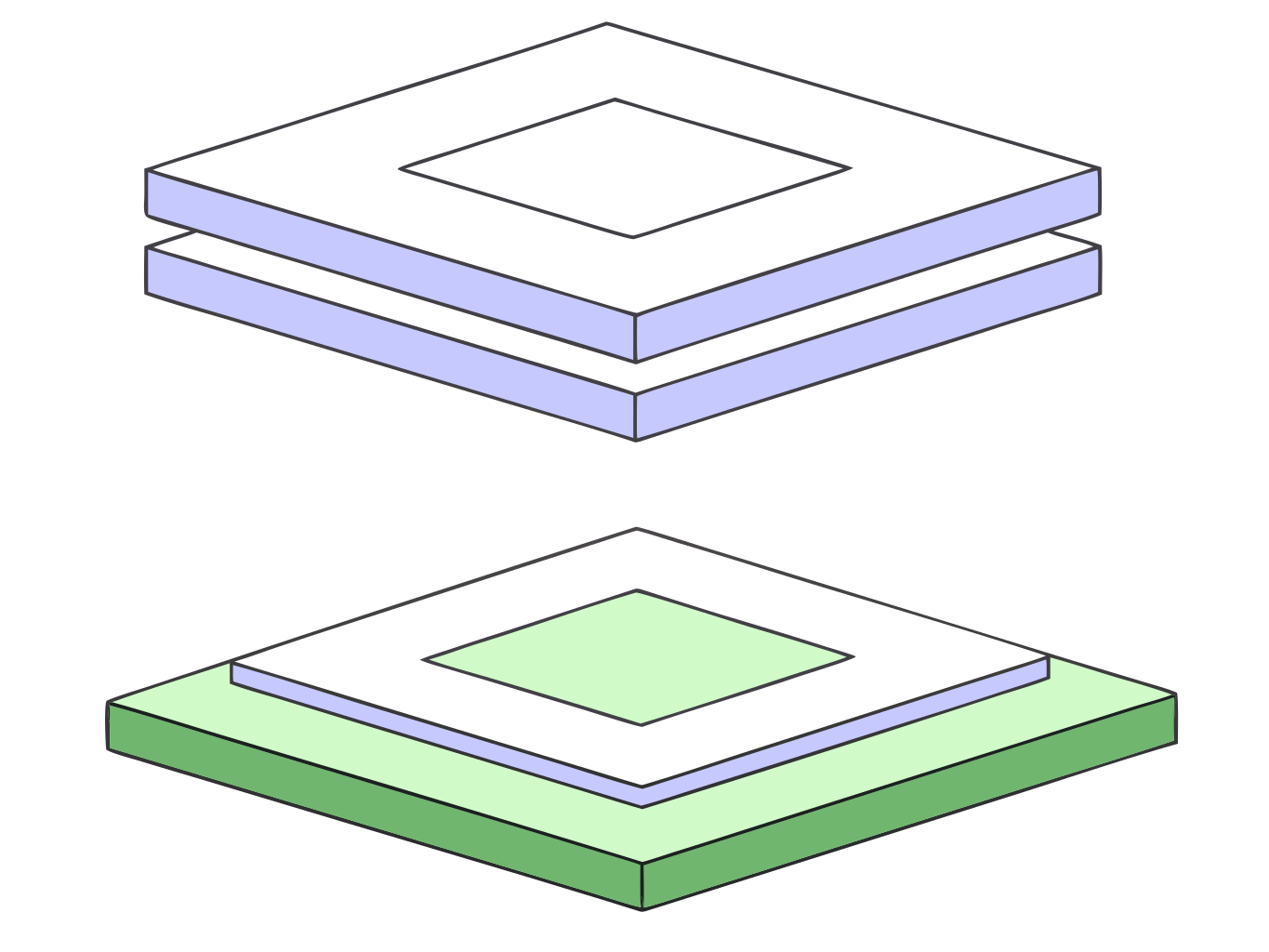
By separating revenue execution from ERP, enterprises can centralize logic without increasing risk. Execution rules can evolve independently while ERP continues to serve as the authoritative system of record.
This decoupling reduces the blast radius of change. Systems remain stable. Upgrades become simpler. Governance improves.
Centralization becomes a source of confidence, not concern.
One execution model eliminates duplicated effort
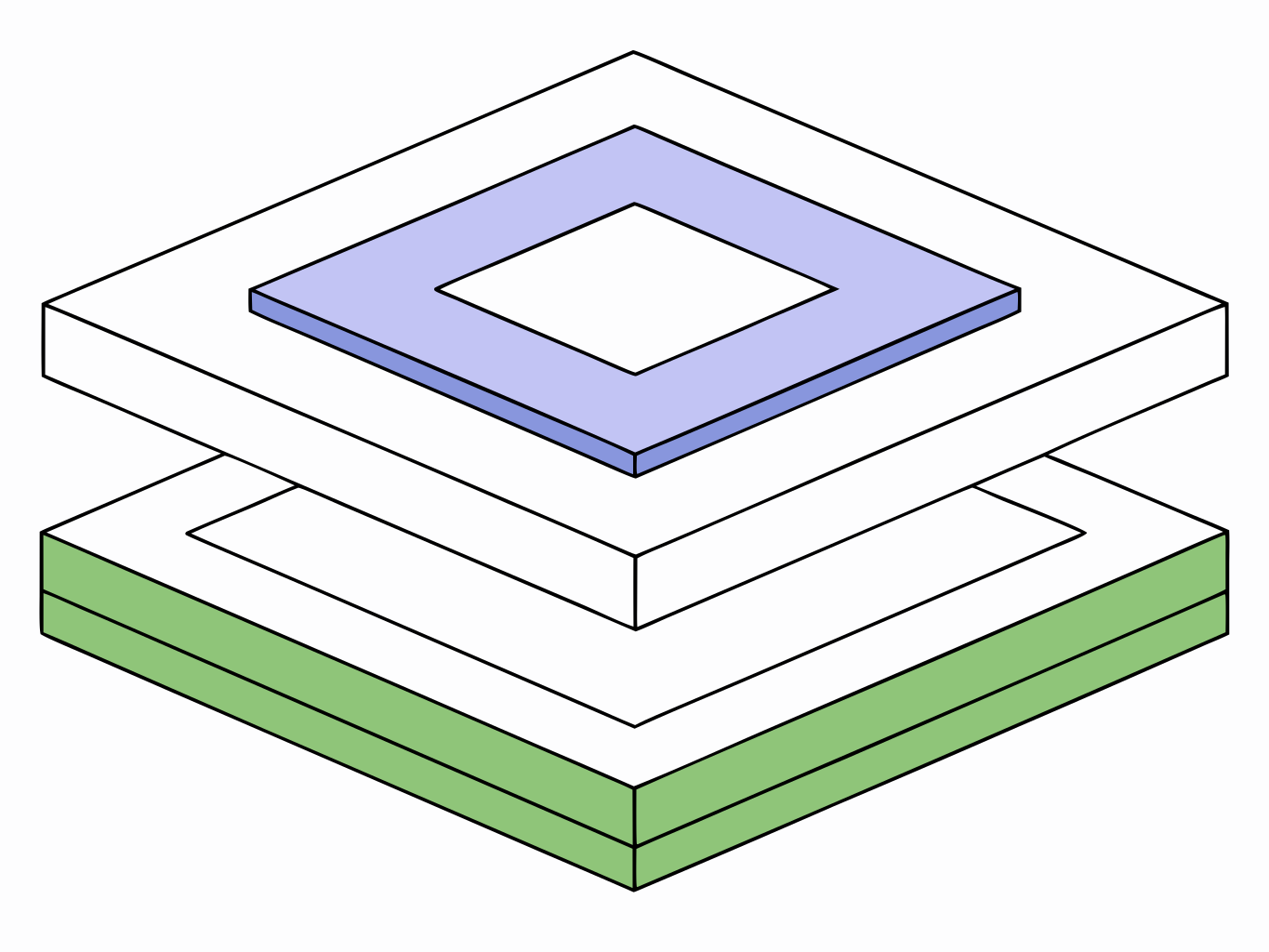
When revenue execution is centralized in a dedicated layer, teams no longer need to recreate the same logic across tools and channels.
Pricing behaves the same way everywhere. Approval policies are consistent. Product rules do not drift. Changes are made once and reflected broadly.
The organization moves faster because it is no longer managing variations of the same rule.
Centralized execution enables controlled evolution
Centralization is not about locking things down. It is about creating a stable foundation for change.
With a unified execution layer, enterprises can test new models, roll out changes incrementally, and adapt without disrupting core systems. Control and flexibility reinforce each other rather than compete.
Centralizing revenue execution without ERP friction turns change into a managed capability instead of a recurring risk.