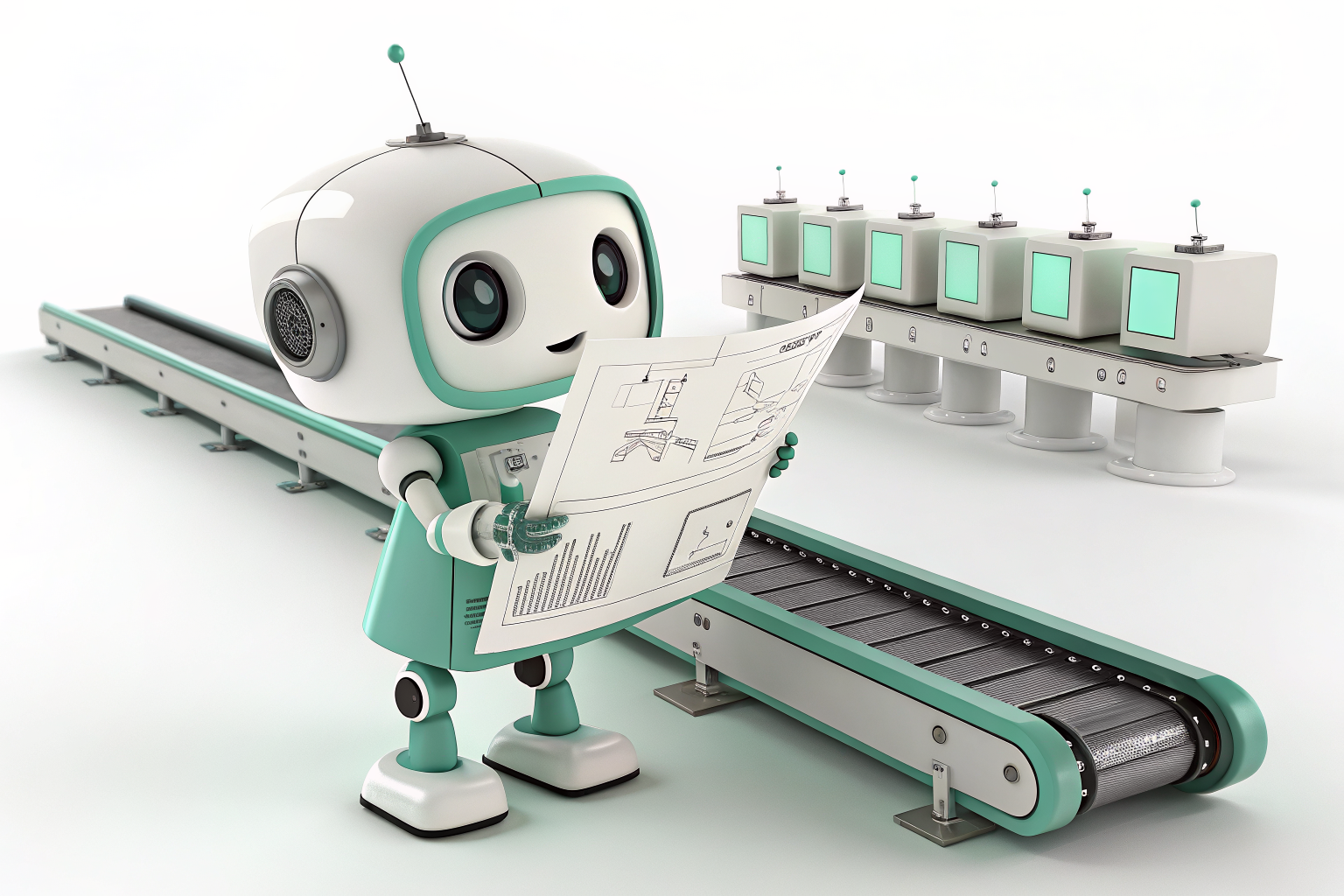
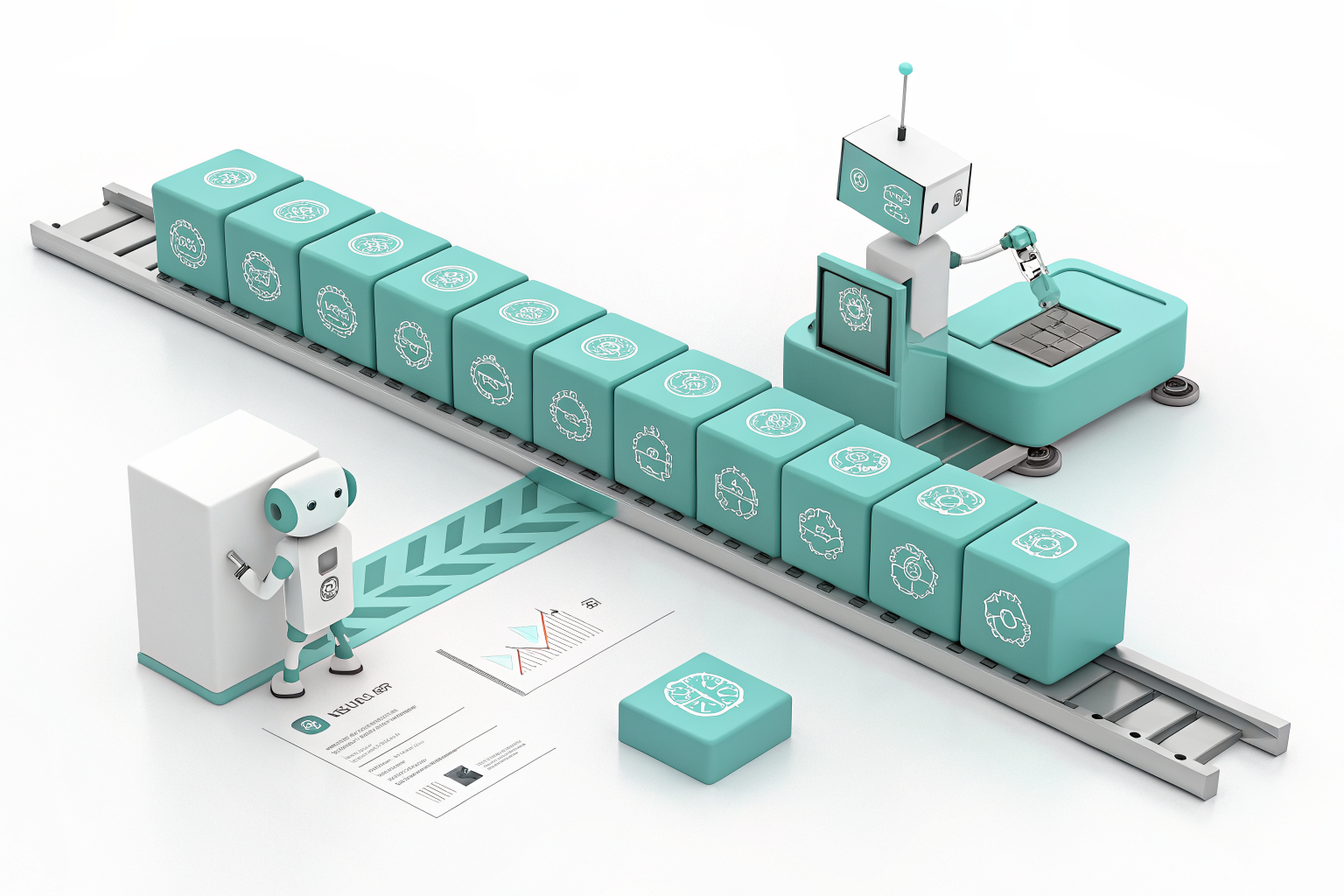
Delivery teams aren’t slow because they lack effort. They’re slow because the knowledge required to move fast — how to model a Revenue Motion correctly, how to structure configuration specifications that won’t drift in review, how to validate execution logic before it reaches a client — lives in people, not systems. When that knowledge has to be reconstructed on every engagement, timeline compression becomes structurally impossible regardless of team capability. The fix isn’t more practitioners. It’s making their collective knowledge executable across the team.
The problem every delivery lead recognizes
Enterprise revenue change programs run long for a predictable reason: the complexity isn’t in the system configuration — it’s in the translation layer between business intent and executable logic. A CIO can articulate exactly what a revenue motion needs to do. Getting that intent reliably into production requires a chain of interpretations: from discovery workshop to design document, from design document to build specification, from specification to tested, governed configuration. Every translation is a handoff. Every handoff introduces drift. And that drift is cumulative.
Only 8% of revenue change programs complete on schedule. The infrastructure is rarely the constraint. The constraint is the delivery team’s ability to move from business requirements to executable logic repeatedly, at pace, and without reintroducing the ambiguities that cost time on the last engagement.
Why unstructured AI didn’t fix delivery
The first wave of AI in delivery looked like productivity improvement. Faster documentation. Sharper meeting summaries. Quicker first drafts of configuration specifications. Each of those things matters. None of them changed the underlying problem because the underlying problem isn’t individual speed — it’s repeatability at the team level.
An AI that produces different output each time doesn’t compress a delivery timeline. It introduces a new review step. Delivery teams found this quickly: unstructured AI generates output, not execution. The gap between an AI-generated document and something a delivery lead can rely on in a client engagement is often wider than expected — because the AI has no model of what “correct” looks like for this engagement type, this Revenue Motion, this governance context.
What a Claude skill actually does
A Claude skill is a structured, governed capability — an encoded bundle of instructions, contextual knowledge, and decision constraints that produces consistent output within a defined scope. The distinction from an open prompt is architectural: a skill is not a question posed to an AI. It is a repeatable way of working, made executable.
For delivery teams, a skill for drafting a Revenue Motion configuration specification draws on approved vocabulary, patterns from comparable prior engagements, and the governance model the output must satisfy. The AI isn’t improvising within an open frame. It is executing within a defined one — a frame the delivery organisation controls, audits, and improves over time. Skills accumulate. As the organisation runs more engagements and identifies better patterns, the skills improve — and the entire team benefits from every engagement that came before.
This is where AI changes the architecture of delivery, not just its pace. Institutional knowledge stops living in individual practitioners and becomes available to every team member, on every engagement, without requiring the most senior person in the room.
Where governed skills compress the timeline
The leverage appears at the handoffs — the points where knowledge must transfer between phases, between team members, or between the delivery team and the client. These handoffs are where drift accumulates. A governed skill that translates a discovery output into a build-ready specification doesn’t just save hours. It removes a class of error: the kind that surfaces during client review cycles, requires rework, and pushes out go-live.
Revenue change programs typically run three to five times over their projected timelines. Most of that excess time isn’t in the build phase — it’s in the alignment cycles that occur when each handoff produces something slightly different from what the previous phase established. Governed skills reduce that variation systematically, not by constraining what the team can do, but by encoding what the team already knows works.
What this looks like in active engagements
viax delivery teams run Claude skills in production engagements today — for Revenue Motion modeling, configuration documentation, pre-go-live validation support, and delivery governance tasks. The result isn’t only faster turnaround on individual deliverables. It’s a different quality of confidence across the engagement: the team can demonstrate that outputs follow a consistent, governed pattern, not an individual practitioner’s interpretation.
For a CIO evaluating delivery risk on a revenue execution program, the relevant question isn’t whether the delivery team uses AI. It’s whether the AI the team uses produces governed, repeatable output — or improvised output that creates new review burdens. That distinction is where timelines are won or lost.
AI reasons. viax executes. ERP records. Governed Claude skills give the delivery layer the same determinism the execution layer has always been built to provide.