Modeled motions
Real revenue motions, modeled the way the business runs, from plain-language description to governed execution.

The integration work that disappears when execution has a layer
How the delivery engagement changes when CRM, ERP, and finance connect through a governed execution layer — not around it.
 Apr 9, 2026

viax as a commerce backend and unified pricing engine
Decouple execution from ERP, model real pricing complexity once, and power commerce across multi-ERP and post-M&A environments.
 Feb 18, 2026

Why CIOs Need to Prove Revenue Execution — Before Committing ERP Architecture
How execution-first proof reduces delivery risk, integration sprawl, and irreversible architectural decisions.
 Jan 26, 2026

Proof Before Commitment: Rethinking the Revenue POC
How enterprises validate real revenue execution in days — before committing ERP teams, timelines, or transformation dollars.
 Jan 25, 2026

Simulating Revenue Outcomes Requires Deterministic Decisioning — Not Just Data
Why modeling execution allows teams to test revenue behavior before it happens.
Jan 25, 2026 
Why CFOs Should Demand Proof of Revenue Execution — Before ERP Commitments
How leading finance teams de-risk revenue change by proving execution in days, not quarters.
Jan 25, 2026 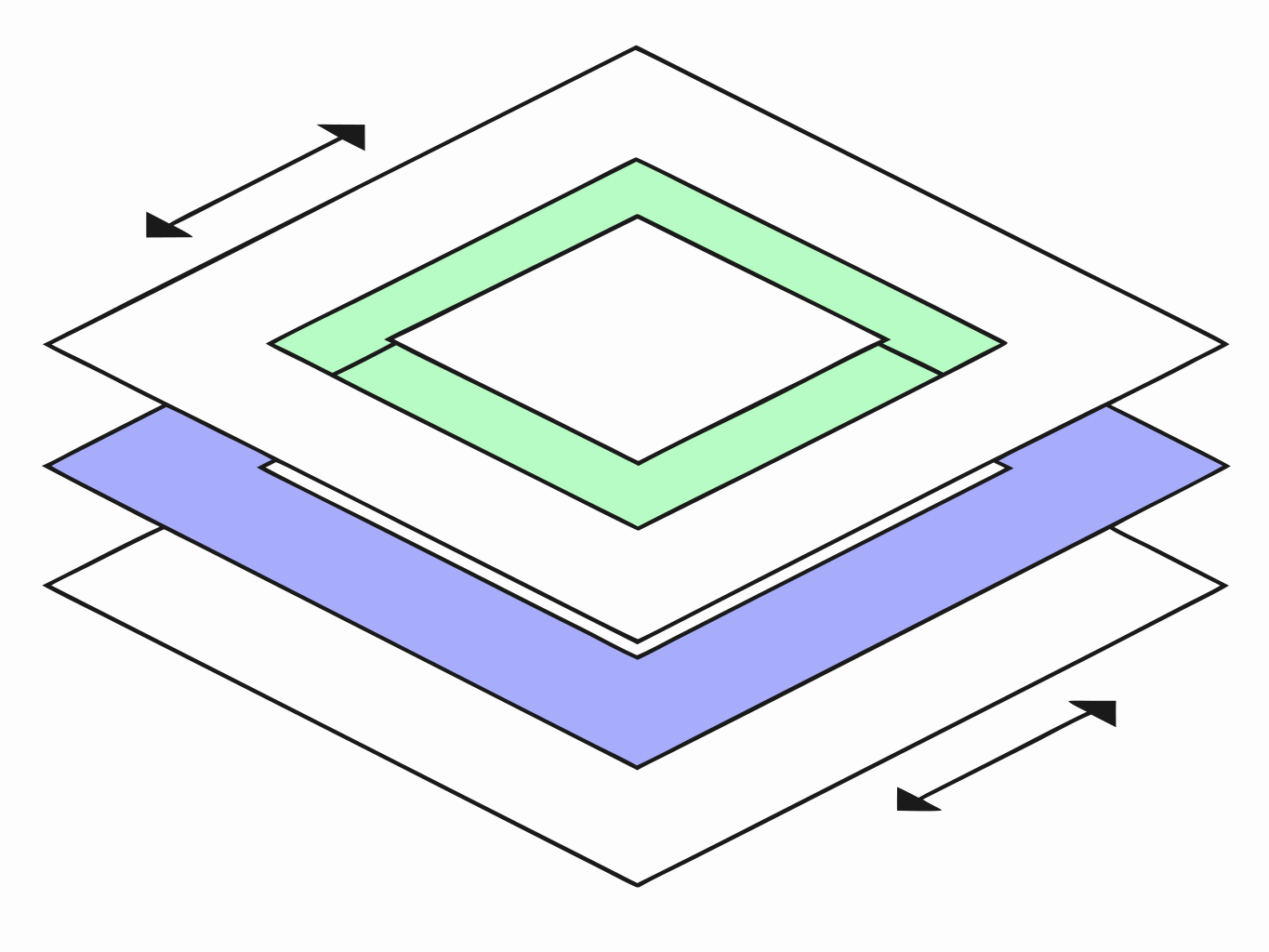
Building revenue execution that evolves without constant restarts
Why reusable execution models compound value as the business grows
Jan 1, 2025 
How to centralize revenue execution without creating ERP friction
Why shared execution logic matters more than where it runs
Jan 1, 2025 
Gaining end-to-end visibility into how revenue actually executes
How execution-level insight reveals issues before results are impacted
Jan 1, 2025 
How enterprises execute revenue change at decision speed
How separating execution from systems removes delay without adding risk
Jan 1, 2025 
Launching new revenue motions without rebuilding execution
How reuse replaces reimplementation as revenue models expand
Jan 1, 2025 
Model revenue once and execute it consistently everywhere
Why duplication breaks scale — and shared execution restores consistency
Jan 1, 2025 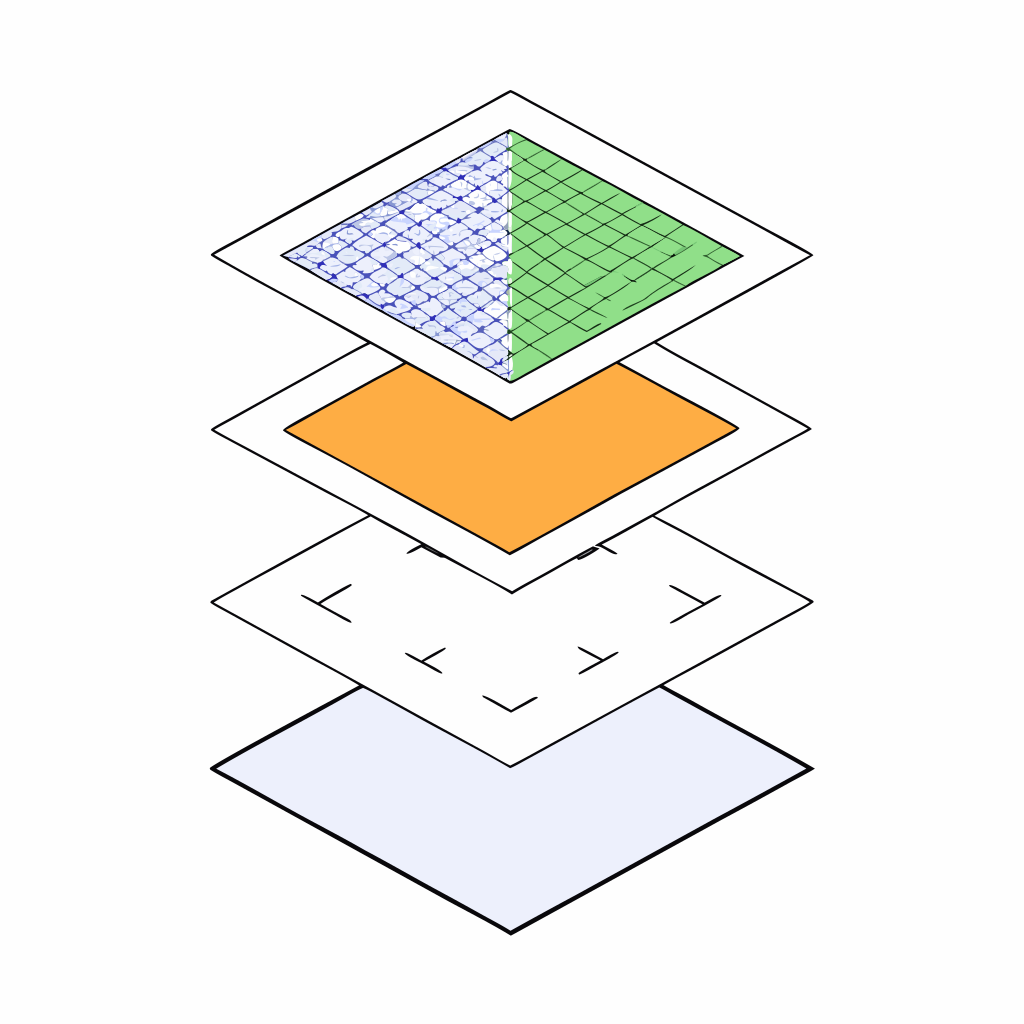
Model real-world revenue complexity — once, execute everywhere
How capturing real business complexity once prevents duplication across channels and systems
Jan 1, 2025 
Modeling revenue to match how your business actually operates
Why interaction-based models handle real-world complexity better than templates
Jan 1, 2025 
Creating a shared execution view across sales, operations, and finance
How shared context eliminates handoffs, rework, and misalignment
Jan 1, 2025